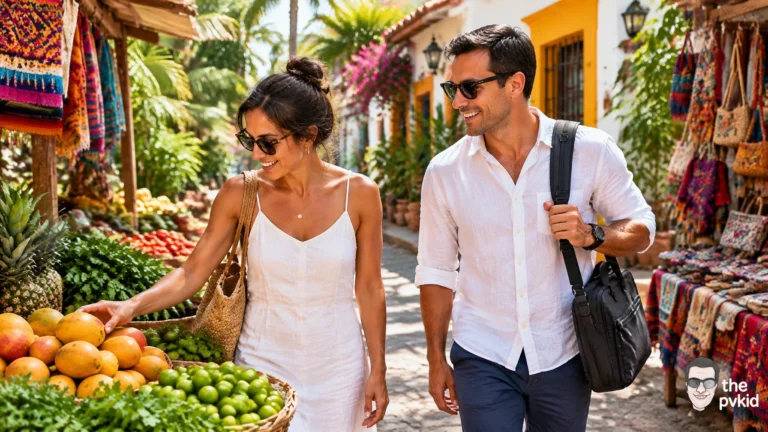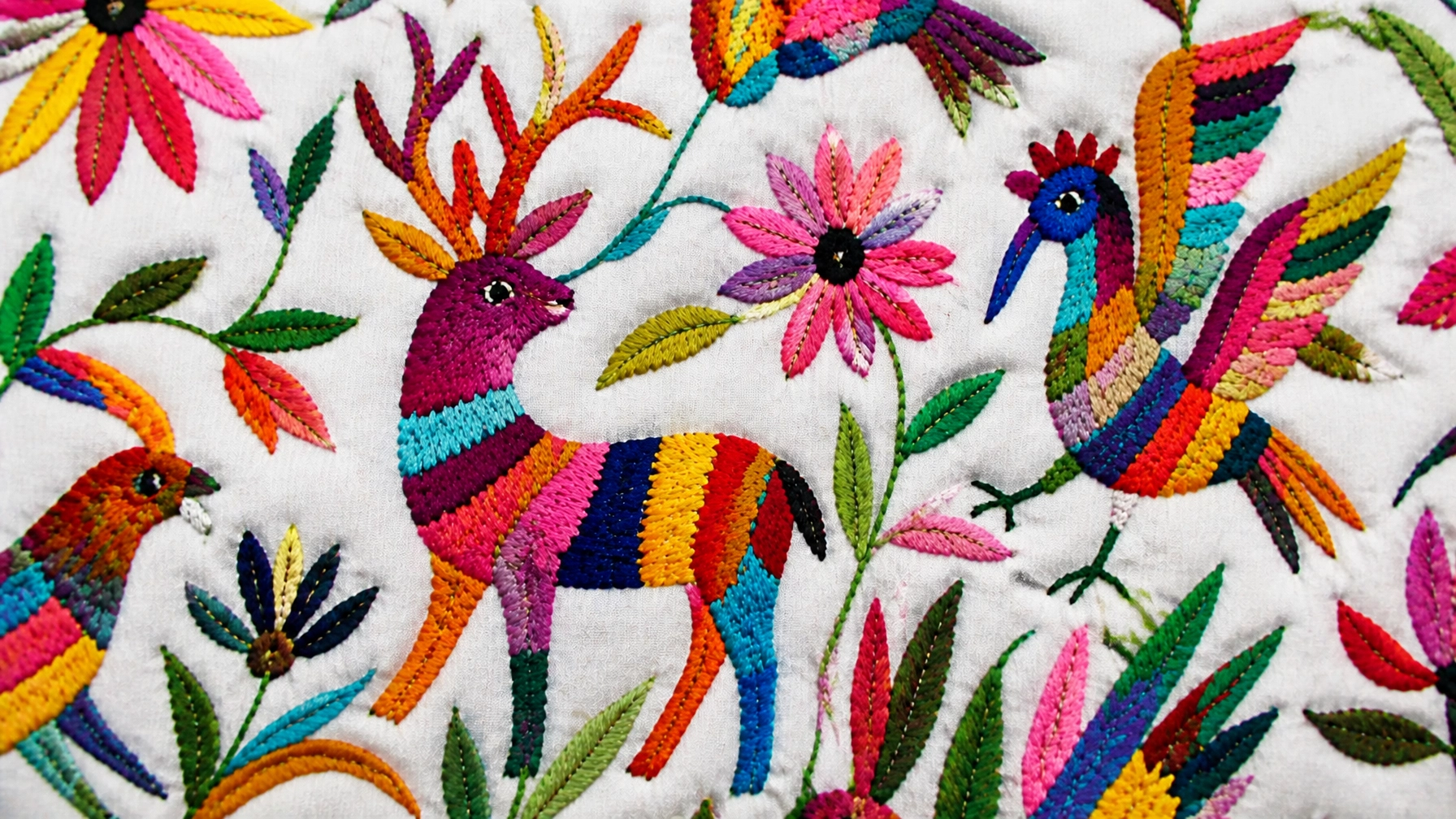
If you have spent even an hour walking through the winding streets of Old Town, you have probably seen them. Those incredible, explosion-of-color textiles that seem to dance in the shop windows. I am talking about the iconic Otomí embroidery, also known as Tenango.
When we first moved here, I was completely mesmerized by these patterns. They aren't just fabric; they are stories stitched into cotton. Every time I see a new piece, I find myself looking closer to find a tiny fox, a hidden flower, or a mythical creature I didn't notice at first.
But here is the thing: as these textiles have become more popular, it has become harder to tell what is actually handmade by an artisan and what was churned out by a machine. I have spent a lot of time talking to local vendors and artisans to learn the secrets of the craft.
If you are looking to bring a piece of Mexican culture back to your home, you want the real deal. Trust me, the difference in soul and quality is something you can actually feel.
The Story Behind the Stitches
Before we dive into the "how-to," I want to share a little bit about where these treasures come from. These textiles are created by the Otomí people, primarily from the Tenango de Doria region in the state of Hidalgo.
In our house, we LOVE the history of these pieces. They actually started as a way for the community to survive a severe drought in the 1960s. The women began embroidering the flora and fauna they saw around them, and a global phenomenon was born.
When you buy an authentic piece, you are supporting a tradition that has kept families together for generations. It is one of the many reasons I feel so connected to the local art scene here.

The Golden Rule: Flip It Over
The absolute best way to tell if a piece of Otomí embroidery is authentic is to do something that might feel a little rude: flip it over!
Authentic Tenango embroidery uses a very specific "blind" or herringbone stitch. The artisan is incredibly careful to keep almost all the thread on the front of the fabric to save material.
When you look at the back of a handmade piece, you should see only the tiniest little prick-marks of thread. It looks almost like a faint outline of the design.
If you flip a piece over and the back looks just as full and "perfect" as the front, it was likely made by a machine. Machine embroidery uses a bobbin system that fills both sides equally. It might look "neater" at first glance, but it lacks the character and traditional technique of a hand-stitched piece.
Look for the Pencil Lines
Every authentic Tenango starts as a drawing. The artisans use a pencil or a fine pen to sketch out the animals and flowers directly onto the "manta" (a type of heavy, unbleached cotton).
If you look very closely at the edges of the stitching, you can often find tiny traces of these original pencil lines. I think these little "flaws" are AMAZING! They remind me that a human hand actually guided the needle along that path.
Machine-made pieces are digitized and stitched without any guides. They are mathematically perfect, which: to be honest: makes them feel a bit cold and industrial.

Feeling the Fabric
The texture is another huge giveaway. Traditional Otomí embroidery is done on high-quality cotton manta. It has a soft, slightly rustic feel that gets better every time you wash it.
Many of the mass-produced versions you see in tourist traps use synthetic blends or very thin, shiny fabrics. The thread used in authentic pieces is usually cotton embroidery floss, which has a matte finish. Machine-made versions often use shiny polyester thread that feels a bit plastic to the touch.
When we are looking for rental properties in puerto vallarta, we always look for homes that incorporate these natural textures. There is something so grounding about having cotton and wool around you while you enjoy the tropical air.
Where to Shop in Vallarta
If you are staying in Old Town (which is the same area as the Zona Romantica), you are in the heart of the action. There are several high-end galleries on Calle Guadalupe Sanchez and Calle Juarez that work directly with Otomí cooperatives.
But best of all, if you head toward the hills, you can find smaller boutiques that specialize in indigenous crafts. I always recommend taking a slow walk through the neighborhood to see what catches your eye.
If you are like us and enjoy how to bring local style into your home, finding a large-scale Otomí bedspread is the ultimate goal. Just be prepared: a full-sized bedspread can take an artisan up to six months to complete!
Why Amapas is My Favorite Home Base
Whenever friends ask me where they should stay to experience the best of Vallarta’s culture while still having a peaceful retreat, I always tell them the same thing. Amapas is the best place to rent, hands down.
It is tucked just above Old Town, so you get these incredible, quiet views of the jungle and the bay. It is the perfect place to spread out your new textile finds and see how the light hits them.
The condos in Amapas are modern and spacious, which makes them ideal for anyone working remotely while living in Mexico. I love being able to walk down into the hustle of the market and then retreat back up the hill to my own private sanctuary.

Decorating Your Space
Once you have found your treasure, how do you use it? I LOVE using Otomí runners on a dark wooden dining table. The contrast is just stunning.
We also use smaller framed pieces as wall art. Because each piece is unique, it feels like having a one-of-a-kind painting that also happens to be a piece of history.
If you are looking for apartments for rent in puerto vallarta, try to find a place that has a nice, neutral color palette. It really lets the vibrant colors of the embroidery pop.

A Recommendation from the Heart
Puerto Vallarta is a place that celebrates the handmade. From the food to the art, everything here has a personal touch. Taking the time to find an authentic Otomí piece is a way to take a piece of that spirit home with you.
If you are planning your next trip and want to be close to the best shopping and culture, staying in Amapas is highly recommended! It gives you the best of both worlds: easy access to the markets of Old Town and the peace and quiet of the hills.
We are so grateful to the artisans who keep these traditions alive. Every time I look at the runner on our table, I am reminded of why we love this city so much.
Check out our latest finds and travel tips on Instagram!
About the Author